Ozone (O₃) is a special form of oxygen that plays an important role in both the atmosphere and the medical world. The molecule protects us high in the air against harmful UV radiation, but under certain circumstances it can also have adverse effects on our health, such as in the formation of smog. At the same time, ozone has applications in medicine, where it is used in a controlled form because of its reactive and stimulating properties. Through interaction with the body, ozone can activate processes that promote the production of the body's own antioxidants, which helps to neutralise damage caused by oxidative stress.
But how is ozone-oxygen therapy used here? Is it safe? How does it work?
Ozone-oxygen therapy has been known in the medical world for some time. Although ozone in the atmosphere has a protective effect, it can also be harmful to our health, as in the case of smog.
Ozone is an unstable molecule that only stabilises when it forms a bond with an oxygen molecule.
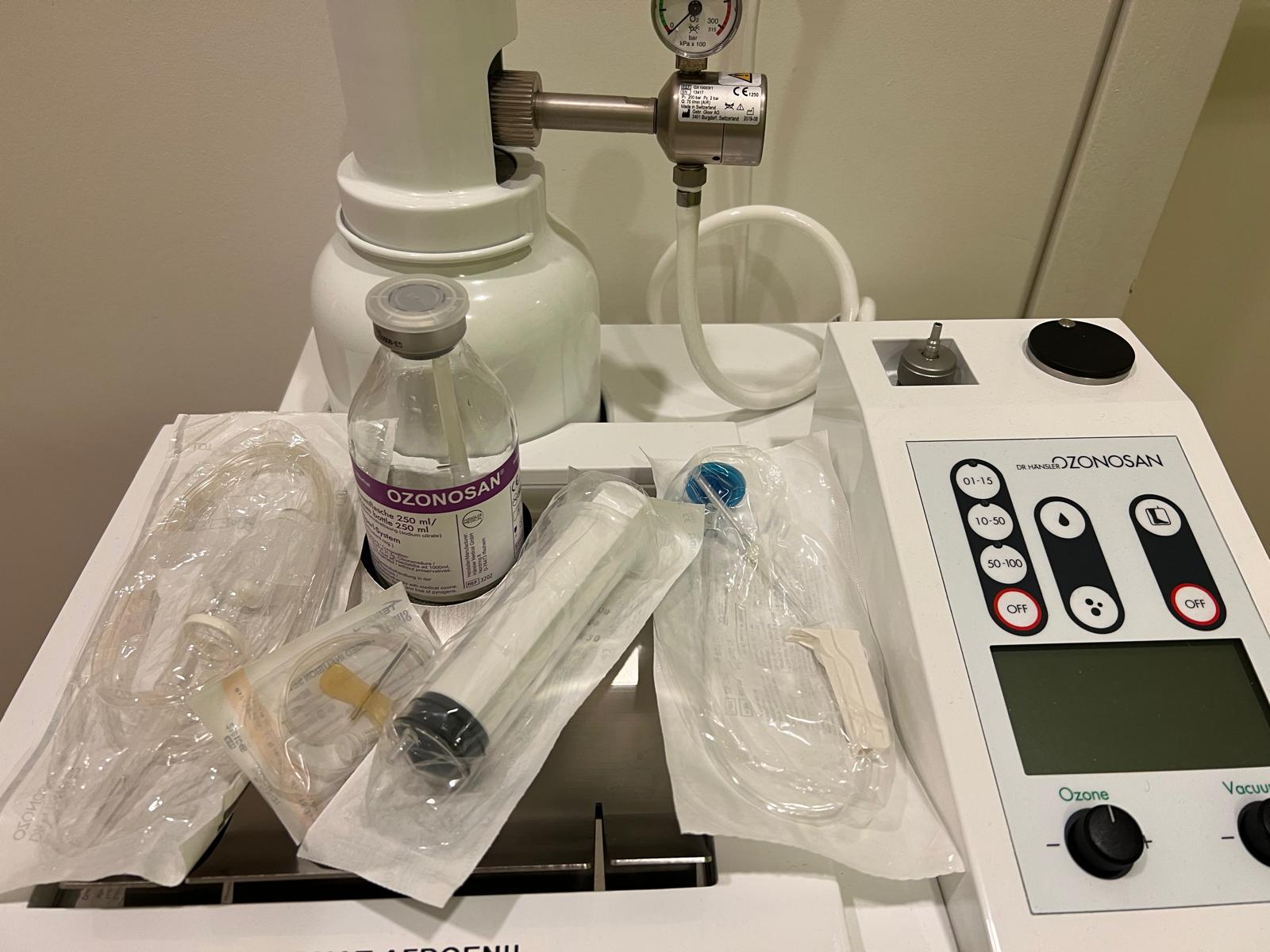
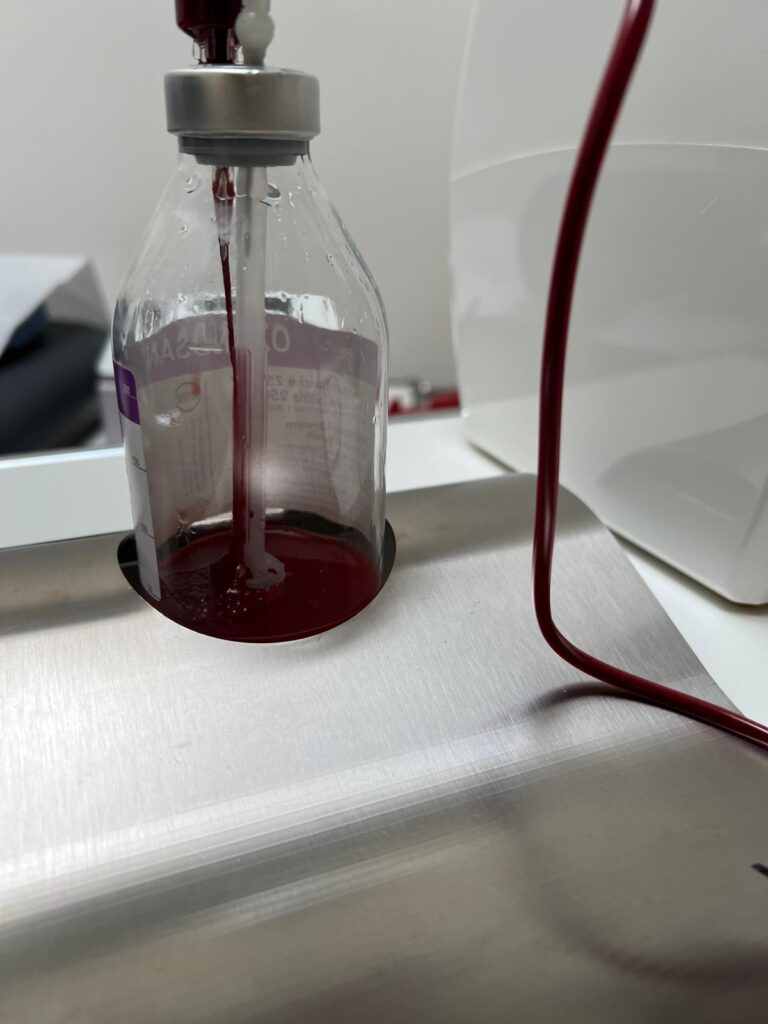
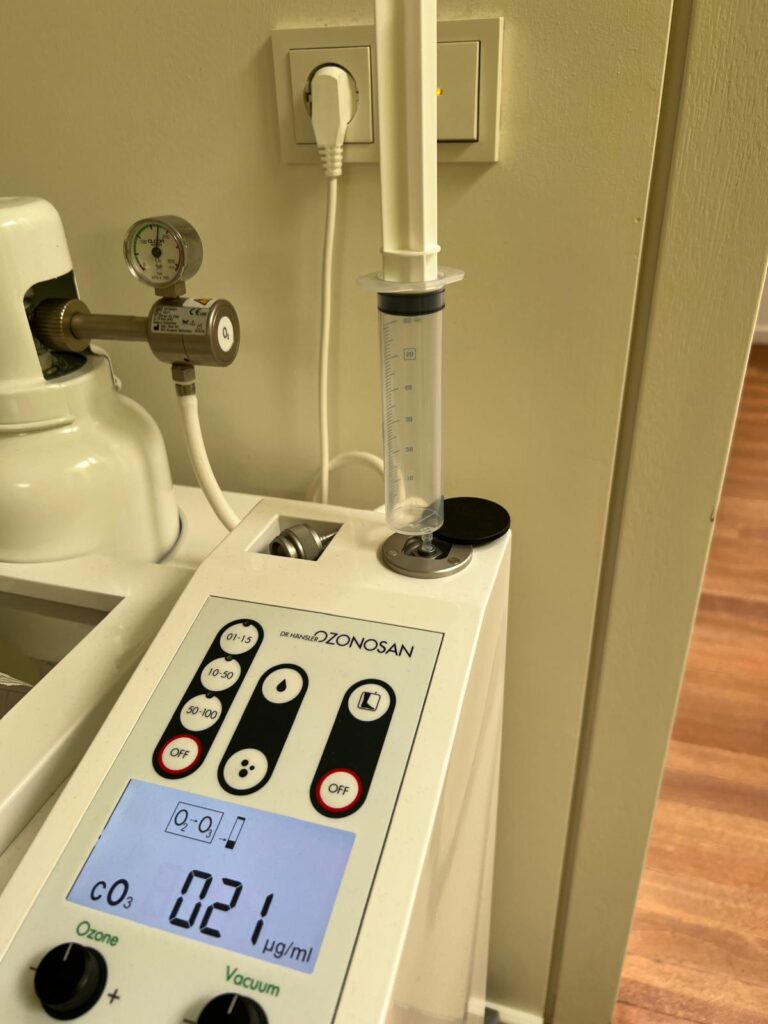
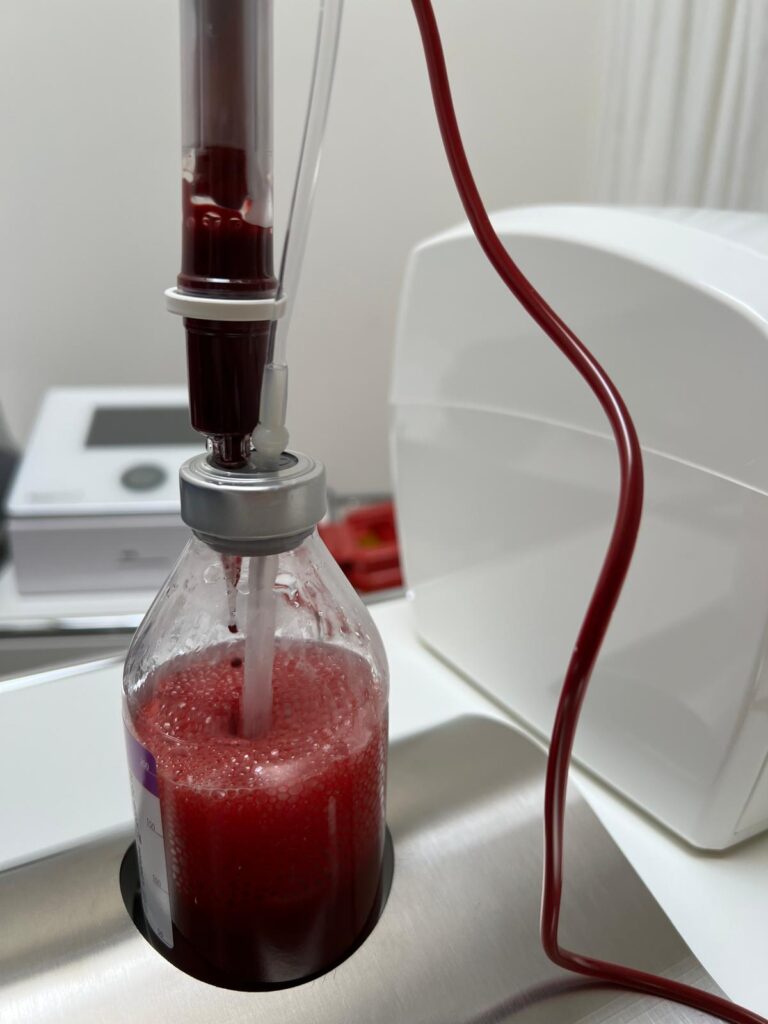
The O3-O2 gas mixture is highly unstable and reacts immediately with substances in the environment. It is dangerous in high concentrations. In our practice, we use medically approved equipment, the ozone generator from the German company Ozonosan. This produces a precisely measured amount of ozone-oxygen gas, preventing overdoses. This gas mixture is brought into contact with your own blood in a sterile vacuum bottle. A blood thinner is added to prevent clot formation.
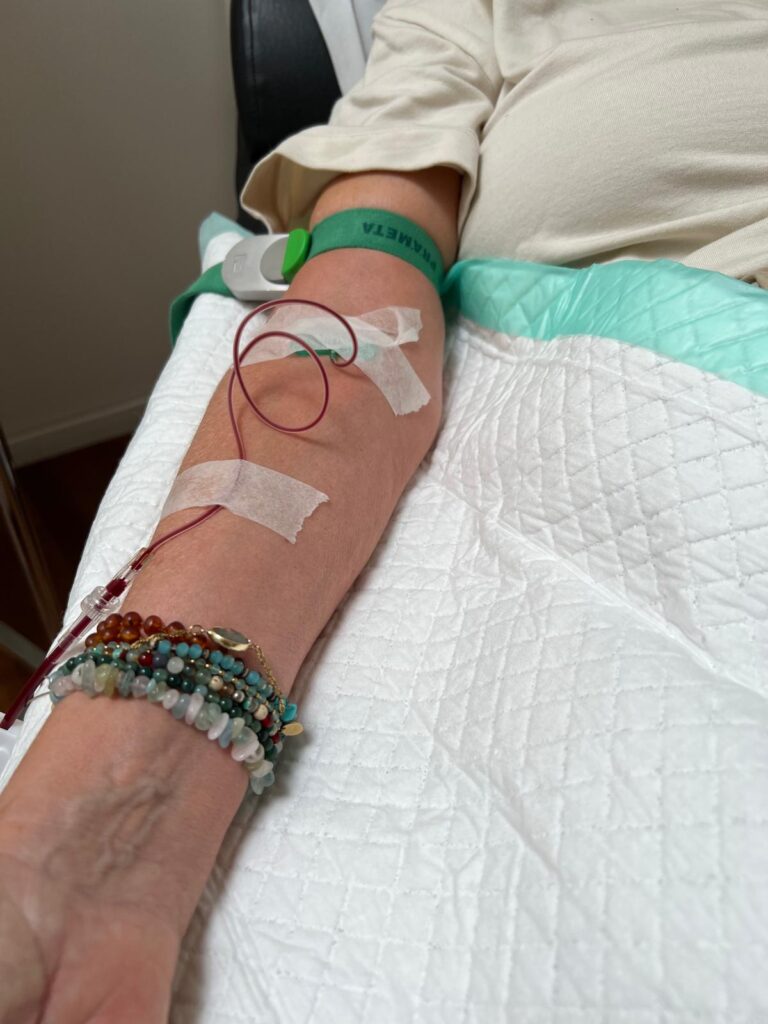
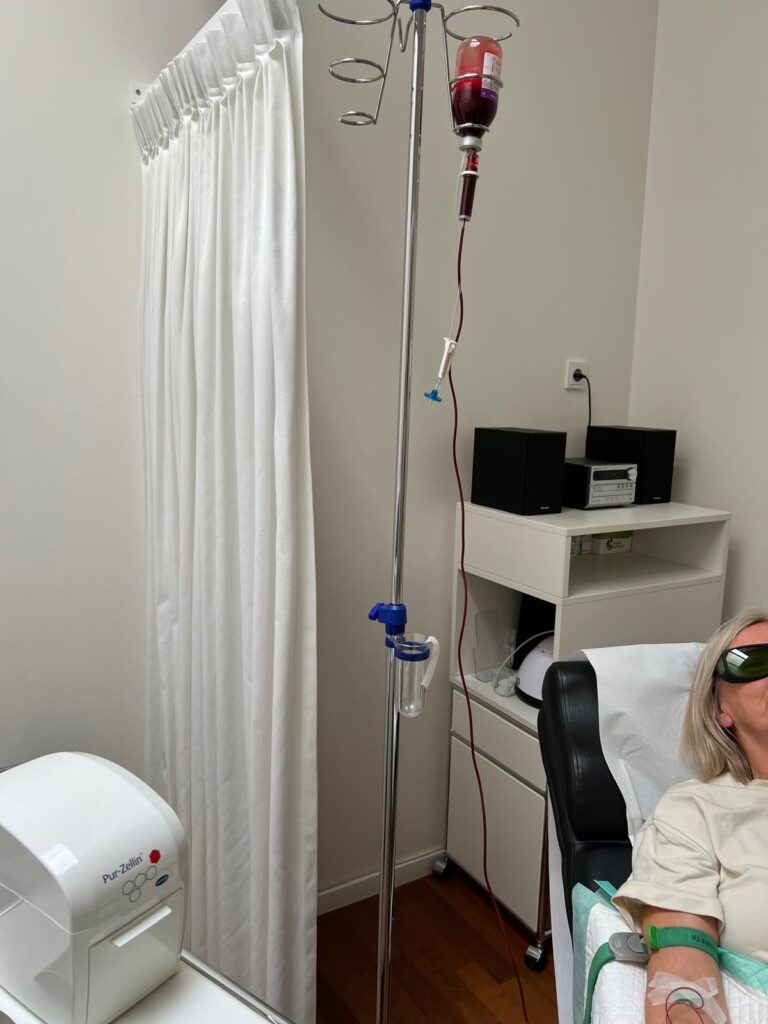
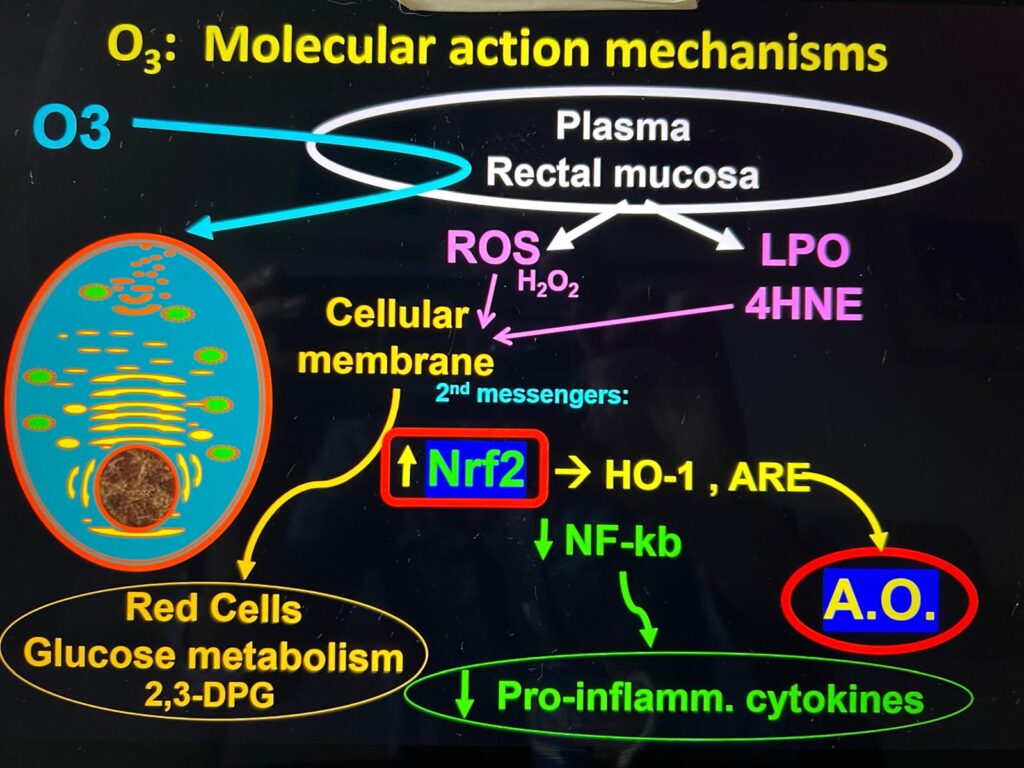
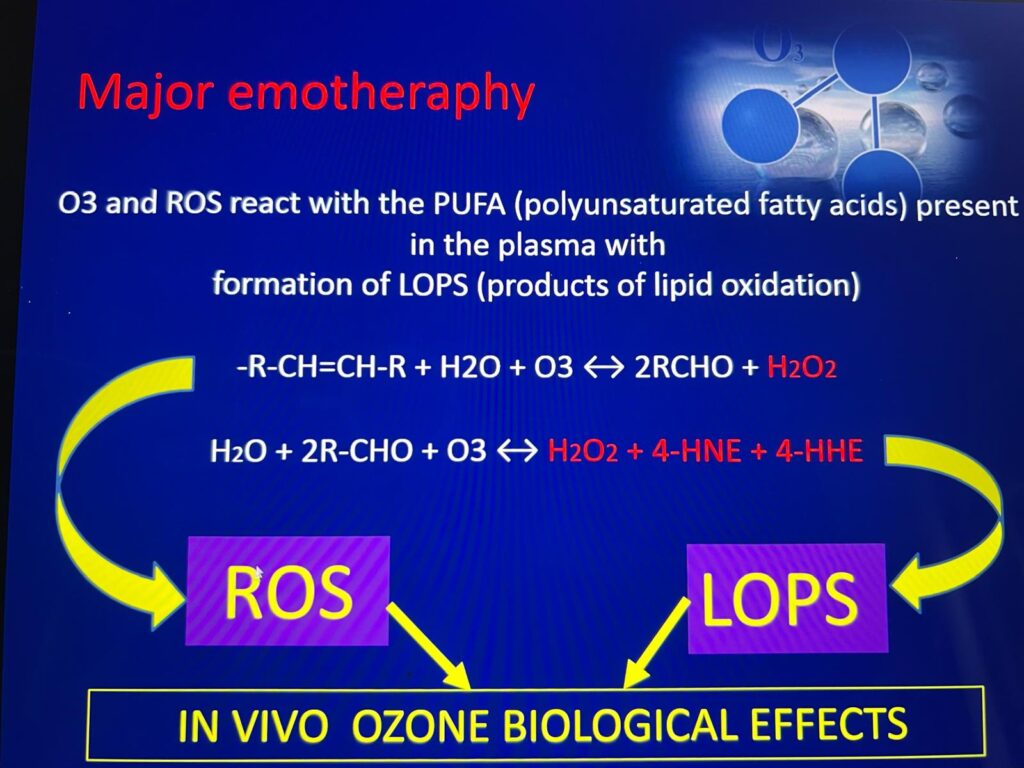
The first step of the therapy takes place in this 250 ml vacuum bottle. O3 and O2 react with the components of the blood, the protein fats and erythrocytes. This produces so-called (lip)peroxides. These act as biological ‘messengers’, similar to emails. The blood, enriched with these signalling substances, is returned to the body via a slow infusion.
Once inside the body, these peroxides activate the NRF2 protein, which migrates to the cell nucleus (the cell's ‘town hall’). There, it stimulates the production of the body's own antioxidants via the so-called Antioxidant Response Element (ARE).
This leads to the activation of, among others, superoxide dismutase (SOD), catalase (CAT), glutathione peroxidase (GPx) and glutathione reductase (GR). With these self-activated antioxidants, the body's cells can neutralise damage caused by oxidative stress.
There is much more to say about this therapy, how it works and the effects it can have on health.
–
If you have any questions about this therapy, please do not hesitate to contact us.
Chirumbolo S, Franzini M, Ricevuti G, Valdenassi L. Intravenous glutathione should not be mismatched with ozone as an antioxidant therapy. Biomed Pharmacother. 2025 Jul;188:118197. doi: 10.1016/j.biopha.2025.118197. Epub 22 May 2025. PMID: 40408806.
Chirumbolo S, Franzini M, Tirelli U, Valdenassi L. Ozone therapy and the role of the glutathione pathway. Inflammopharmacology. 2025 Oct;33(10):6265-6272. doi: 10.1007/s10787-025-01953-1. Epub 24 September 2025. PMID: 40991178.
de Sire A, Marotta N, Ferrillo M, Agostini F, Sconza C, Lippi L, Respizzi S, Giudice A, Invernizzi M, Ammendolia A. Oxygen-Ozone Therapy for Reducing Pro-Inflammatory Cytokines Serum Levels in Musculoskeletal and Temporomandibular Disorders: A Comprehensive Review. Int J Mol Sci. 25 February 2022;23(5):2528. doi: 10.3390/ijms23052528. PMID: 35269681; PMCID: PMC8910188.
Jeyaraman M, Jeyaraman N, Ramasubramanian S, Balaji S, Nallakumarasamy A, Patro BP, Migliorini F. Ozone therapy in musculoskeletal medicine: a comprehensive review. Eur J Med Res. 31 July 2024;29(1):398. doi: 10.1186/s40001-024-01976-4. PMID: 39085932; PMCID: PMC11290204.
Pandolfi S, Chirumbolo S, Franzini M, Tirelli U, Valdenassi L. Oxygen-ozone therapy for myocardial ischemic stroke and cardiovascular disorders. Med Gas Res. 1 March 2025;15(1):36–43. doi: 10.4103/mgr.MEDGASRES-D-23-00013. Epub 31 August 2024. PMID: 39217427; PMCID: PMC11515079.
Li J, Liu X, Wang Z, Xie P, Zhu M, Zhong H, Luo S, Tang J, Mo G. Ozone therapy mitigates parthanatos after ischaemic stroke. Biol Res. 5 October 2024;57(1):71. doi: 10.1186/s40659-024-00547-5. PMID: 39367424; PMCID: PMC11453019.
Chirumbolo S, Ricevuti G, Franzini M, Vaiano F, Galoforo AC, Richelmi T, Tirelli U, Valdenassi L. Oxygen-ozone adjunct therapy in ageing and senescence-related disorders. State of the art. Adv Pharmacol. 2025;104:417-446. doi: 10.1016/bs.apha.2025.03.001. Epub 15 April 2025. PMID: 40716938.
Viebahn-Haensler R, León Fernández OS. Protection of Mitochondria, Cells and Organs from Ischemia-Reperfusion Damage Through Preventive Redox Bioregulation by Ozone. Int J Mol Sci. 10 June 2025;26(12):5557. doi: 10.3390/ijms26125557. PMID: 40565022; PMCID: PMC12193139.

Disclaimer: All therapies offered by us are considered complementary to the regularly indicated medical treatment.
Appointments can be cancelled or rescheduled free of charge up to 24 hours in advance. If you cancel within 24 hours or fail to attend the appointment, you will be charged for the cost of the consultation.
Do you know that nowadays you can arrange many medical matters online whenever and wherever you want? This saves you a telephone contact with our GP practice.
To make an appointment online, you need to log in to the patient portal. You will need DigiD for this. Click the button below to log in.
We are open for new registrations. Please fill in the form completely. You will receive an email confirmation from our practice within 72 hours.
Do you have any further questions? Then you can make a call-back appointment by phone.
Please contact our doctor's assistant for this.
Do you know that nowadays you can arrange many medical matters online whenever and wherever you want? This saves you a telephone contact with our GP practice.
To view the results of your recent (lab) test you need to log in to the patient portal. You will need DigiD for this. Click the button below to log in.
Through My Medical Record, it is possible to access your medical record. It is possible to gain insight into the items below:
Do you know that nowadays you can arrange many medical matters online whenever and wherever you want? This saves you a telephone contact with our GP practice.
To send your an e-consult (an important less urgent message) to your GP, you will need to log in to the patient portal. You will need DigiD for this. Click the button below to log in.
For less urgent complaints, you can send us an e-Consult. Our practice then usually answers your query within 48h. Since you don't call, this saves us incoming calls and helps us spread out crowds.
Do you know that nowadays you can arrange many medical matters online whenever and wherever you want? This saves you a telephone contact with our GP practice.
To view and repeat your current medication you need to log in to the patient portal. You will need DigiD for this. Click the button below to log in.
You can use this website to repeat your own chronically active medication. If you take one or more medicines for a longer period, the pharmacy has a free service especially for you: they make sure your medicines are ready at a pre-arranged time.
Do you know that nowadays you can arrange many medical matters online whenever and wherever you want? This saves you a telephone contact with our GP practice. For example, you can view results, request repeat prescriptions or ask your GP a question. You can arrange this in two ways: via the ‘patient environment’ on our website or with the ‘My GP Online’ app.
Your GP puts all the information about your health into a computer. This is called a medical file. For example, the GP puts in what diseases you have, what tests and treatments you have had and what medicines you are taking. This way, your medical information is all together.
Your (GP) doctor and pharmacies can connect their computers to the National Switch Point (LSP). Through the LSP, they can share your most important medical data. Another healthcare provider can view those medical details. The video below briefly explains how the LSP works when you come to the GP surgery.